
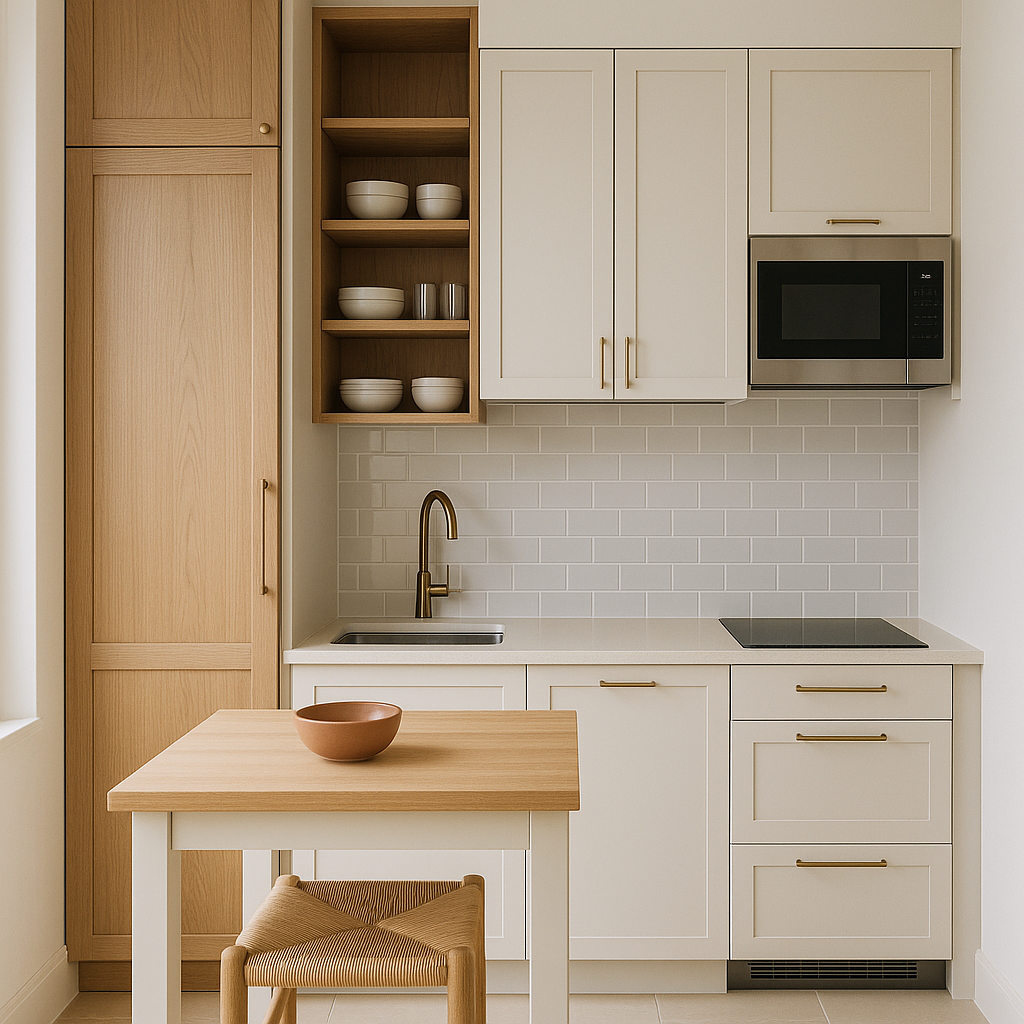
The Sustainable Kitchen of 2025: Eco-Friendly Materials and Designs
As we move further into 2025, the focus on sustainability is no longer a niche trend but a core value influencing how we design and live in our homes. The kitchen, often a resource-intensive space, is at the forefront of this green revolution. Let’s explore the eco-friendly materials and designs shaping the sustainable kitchen of 2025.
Embracing Reclaimed and Recycled Materials
One of the most impactful ways to create a sustainable kitchen is by incorporating reclaimed and recycled materials. Imagine countertops crafted from recycled glass or paper composites, adding unique textures and reducing landfill waste. Reclaimed wood, with its inherent character and history, is becoming a popular choice for cabinetry and open shelving, offering warmth and a story. Even recycled metals are finding their place in hardware and backsplashes, adding an industrial-chic touch with an eco-conscious edge.
Natural and Responsibly Sourced Materials
Beyond recycled content, the origin and processing of materials are increasingly important. In 2025, expect to see a greater emphasis on natural and responsibly sourced options. Bamboo, a rapidly renewable resource, is gaining traction for cabinetry and flooring. Look for certifications that ensure wood is sourced from sustainably managed forests. Natural stone, while durable, is also being chosen with an eye towards ethical extraction and lower-impact processing.
Energy-Efficient Appliances
A sustainable kitchen isn’t just about materials; it’s also about minimizing energy consumption. Energy-efficient appliances are becoming the norm, with advancements in technology leading to refrigerators, ovens, and dishwashers that use significantly less power and water. Look for Energy Star certified appliances and consider induction cooktops, which are more energy-efficient than traditional electric or gas burners.
Designing for Longevity and Reduced Waste
Sustainability also means designing for durability and reducing waste. In 2025, expect to see a move towards timeless designs that won’t quickly go out of style, reducing the need for frequent renovations. Thoughtful design also includes features that help minimize food waste, such as well-organized pantries, designated composting areas, and even integrated systems for herb gardens, encouraging the use of fresh, homegrown ingredients.
Biophilic Design: Bringing Nature Indoors
Connecting with nature is a key aspect of sustainable living. Biophilic design principles are increasingly being integrated into kitchens, featuring elements like ample natural light, indoor plants, and the use of natural materials to create a calming and healthy environment. Imagine a kitchen with a living wall or large windows overlooking a herb garden – it’s about fostering a connection with the natural world within your cooking space.
The sustainable kitchen of 2025 is a harmonious blend of eco-conscious materials, energy-efficient technology, and designs that prioritize longevity and a connection with nature. It’s about creating a beautiful and functional space that’s also kind to the planet.
What are your favorite ways to incorporate sustainability into your kitchen design? Share your thoughts in the comments below!